

The Electronic Components That Make Your Gadgets Smart
Electronic components power modern technology by controlling electricity, processing signals, storing data, and automating tasks. Working together, they keep phones, appliances, computers, and cars running reliably. This guide explains them in simple terms so you can better understand how devices work and make smarter technology decisions.
Tiny Parts That Power Devices
Electronic components are the parts that make electrical and electronic circuits function. Each has a specific job, such as controlling electricity, managing signals, storing energy, or helping a device respond to its environment.
Like members of a team, these components work together to make a device operate. If one fails, the system may not work properly, which is why quality design and assembly are important. They are found in almost every modern device, including phones, computers, appliances, vehicles, and medical equipment.
Small Size, Big Impact
Many electronic components are tiny, especially on modern circuit boards, but they play critical roles. Parts like resistors, capacitors, and transistors regulate power, protect circuits, and control essential functions. As a result, the quality of internal components often matters more than a device’s outward appearance.
Resistors Control Electricity
Resistors are among the most common electronic components because they control the flow of electric current. By limiting current, they help protect sensitive parts from damage. Without resistors, many circuits would operate unsafely or fail prematurely.
A common example is an LED light, which can burn out if connected directly to a power source. A resistor regulates the current flowing through the LED, allowing it to operate safely. Resistors are used in nearly all electronic devices to manage voltage, divide signals, and ensure stable circuit performance.
Their Effect in Everyday Devices
You may not see resistors, but they help ensure stable lights, reliable inputs, safe charging, and consistent signal flow. By regulating current, they keep devices operating predictably, making them one of the most essential components in modern electronics.
Capacitors Manage Energy
Capacitors store small amounts of electrical energy and release it when needed. They help smooth power, filter signals, and stabilize voltage, improving device reliability. Commonly used in power supplies, audio equipment, motors, and control boards, failed capacitors can cause flickering displays, buzzing sounds, weak power, or unexpected shutdowns.
Why Heat Matters
Capacitors can be sensitive to heat and age. This is one reason quality matters. A cheap capacitor in a hot environment may fail sooner than a better-rated one. In devices that work for long periods or sit near heat sources, component selection can affect the lifespan of the entire product.
Diodes Control Current Direction
A diode allows electrical current to flow mainly in one direction, making it useful for controlling signals and protecting circuits. One of the most common examples is the LED, or light-emitting diode, which produces light and is widely used in screens, indicators, lamps, and vehicle lighting.
Diodes also help protect electronic devices from damage caused by incorrect power connections or sudden voltage spikes. By directing current where it should go, they improve the safety and reliability of many everyday electronics.
Why Diodes Matter
A diode may seem basic, but it can protect expensive sections of a device. In many circuits, it acts like a one-way gate that keeps electricity from going where it should not.
Transistors Power Smart Devices
Transistors are among the most important components in modern electronics. They work as switches or amplifiers, allowing a small signal to control a larger one. This makes them essential for managing power and processing signals in electronic devices.
As switches, transistors control lights, motors, sensors, and speakers. As amplifiers, they strengthen signals in audio, radio, and communication systems. Modern microchips contain billions of transistors that allow phones, computers, and other smart devices to perform complex tasks quickly.
A Game Changer
Without transistors, modern electronics would not look the way they do today. They replaced older bulky parts in many applications and made smaller, faster, and more efficient devices possible.
Microchips Power Modern Devices
Microchips, or integrated circuits, combine multiple electronic functions into a single compact component. They can process data, store memory, manage power, and handle communication, allowing devices to perform complex tasks efficiently.
They power many everyday products. A microwave uses chips to control timing and power, while a smartphone relies on them for processing, connectivity, and cameras. By packing advanced functions into small components, microchips make devices smaller, faster, and more capable.
Why Chip Quality Matters
Two similar-looking devices can perform very differently because of the chips inside. Chip quality and design affect performance, efficiency, heat management, software support, and reliability—especially in products like medical devices, vehicle electronics, and security systems.
Sensors Detect the Real World
Sensors help devices detect and respond to changes in their surroundings. They can measure things like temperature, light, motion, touch, humidity, and sound. By gathering this information, they allow technology to react more intelligently to real-world conditions.
Sensors help devices respond to their environment. They convert physical conditions into electrical signals used for functions such as screen rotation, brightness control, performance monitoring, and safety features.
Everyday Examples
Sensors power many everyday conveniences, from waking your phone screen when lifted to helping appliances adjust automatically. By detecting what is happening around them, sensors allow devices to respond intelligently instead of operating the same way all the time.
Circuit Boards Connect Everything
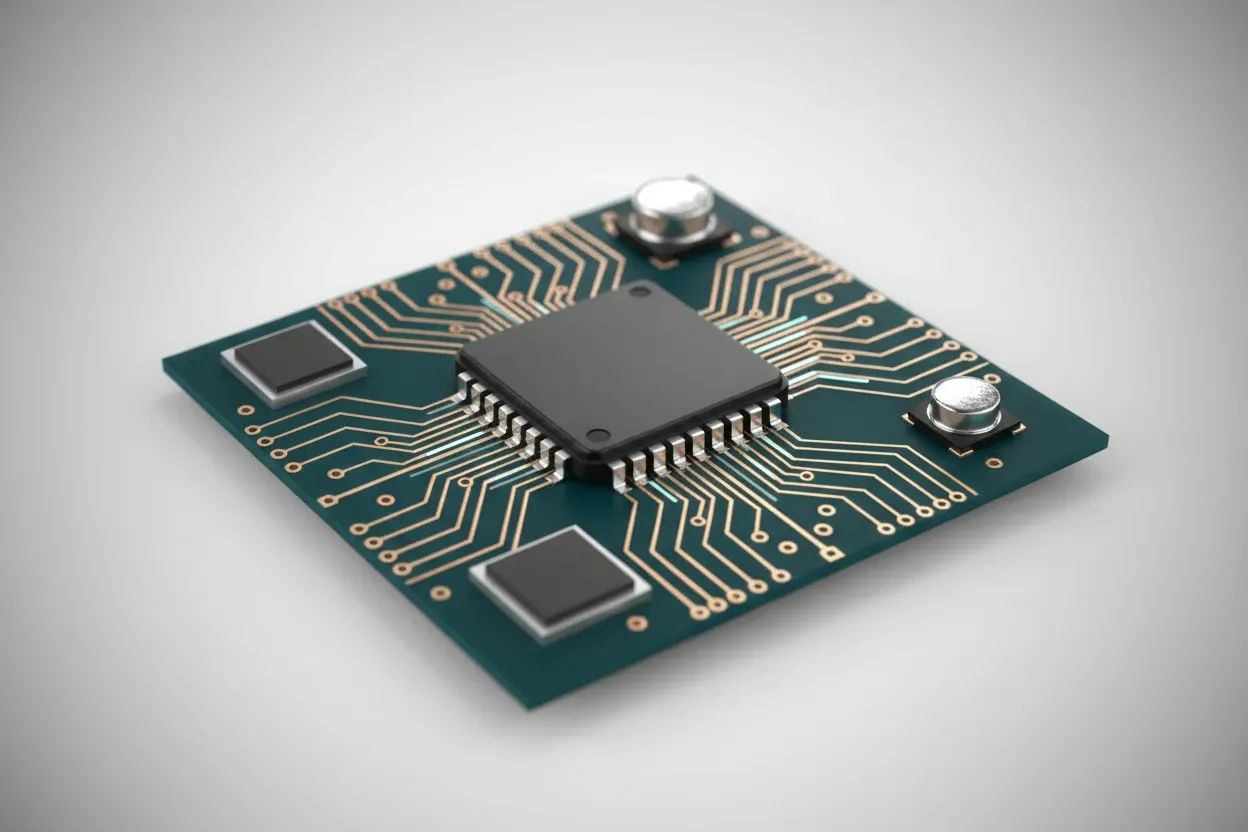
A printed circuit board (PCB) holds and connects electronic components, using copper tracks to route power and signals. This creates compact, reliable circuits that make modern electronics smaller, more efficient, and easier to manufacture.
Good PCB design matters. Poor layout can lead to overheating, signal problems, weak connections, electrical noise, or early failure. This is one reason well-made electronics often last longer and perform more reliably.
More Than a Connector
A PCB is not just a base. It is part of the whole design. The placement of components, the thickness of copper tracks, the quality of soldering, and the separation between signals can all affect performance and safety.
Power Components Ensure Stable Operation
Every electronic device needs power, and power components convert, regulate, and protect electricity so each part gets what it needs. These include voltage regulators, fuses, transformers, rectifiers, relays, and power management chips. Without proper power control, devices can overheat, drain batteries, perform poorly, or suffer damage.
Safety Note
If a device sparks, smells burnt, overheats, or repeatedly shuts down, it should not be ignored. Power-related faults can be risky. For mains-powered products, repairs should be handled by qualified technicians. Basic knowledge is useful, but safety should always come first.
Connectors, Switches, and Wires Matter
Not every important component is a chip or sensor; connectors, switches, cables, and wires are just as critical to a device’s reliability. When these parts are poorly made or damaged, they can cause charging issues, interrupted signals, or inconsistent performance.
Because they seem ordinary, these components are often overlooked despite being used constantly. Daily wear from plugging, pressing, pulling, and exposure to dust or moisture can gradually lead to faults and failures.
Small Details, Big Impact
A device can have excellent internal electronics but still fail because of a poor connector or weak switch. This is why durability is not only about advanced technology. It is also about practical design and strong everyday parts.
Better Components, Better Products
Component quality varies. Some parts are built for basic use, while others are designed for harsher conditions, longer life, and higher safety standards. Better-quality components are typically more reliable and better able to handle heat, vibration, power fluctuations, and extended use. The best choice is the one that suits the device’s needs.
What Buyers Should Check
Consumers do not need to inspect every circuit board before making a purchase; instead, look for reputable brands, safety certifications, solid warranties, clear product information, and reviews that reflect long-term use. For businesses, component quality is even more important because failures can lead to downtime, repair costs, customer issues, and damage to reputation.
Why Component Knowledge Matters
Understanding electronic components helps explain why some devices cost more, why certain repairs are worth it, and why cheaper products may fail sooner. It also makes it easier to identify problems and understand how devices work.
Why Electronic Components Matter
Electronic components may be small, but they power, control, and protect the devices we use every day. From phones and laptops to cars and appliances, these parts work together to keep technology running reliably. Understanding their roles makes modern technology easier to appreciate.